
5 Reasons Your Injury is Taking Forever to Heal

Injuries are pretty hard to avoid. We work hard and play hard. Getting injured sucks! There’s no denying that. We end up missing out the best things in life like attending work-out classes, playing sports with friends, and even spending time with those we love. If you’ve ever been injured, then you understand how frustrating it can be waiting for your body to heal. Healing takes time and unfortunately in today’s day and age most people don’t have the time nor the patience to wait around for their body to recover and feel better.
We can predict about how long it takes an injury to heal based on the specific tissues involved. For example, a mild muscle strain heals at a faster rate compared to a ligament or a tendon injury. Some tissues in the body have a richer blood supply compared to others. Those tissues with more blood supply seem to heal at faster rates than those that do not.
Unfortunately for some people, injuries go beyond the expected healing time line resulting in mental and physical frustration. Many of these people may find themselves questioning why their injury is taking forever to heal. Somebody’s ability to heal is also influenced by a whole host of other factors – each of which can impact the body’s capacity to heal effectively.
So why is your injury not getting any better? It could be for reasons you never thought of. Consider these five reasons why your injury is taking forever to heal:
1. You’re Not Getting Enough Sleep
Sleep is one of your body’s best defenses and plays an important role in the healing process following injury. When we sleep, our brains secrete important hormones that are essential for building a strong immune system, increased muscle mass, bone strength, and energy. Missing out on thorough and deep sleep can significantly delay the healing process. This will lead to other detrimental side effects such as muscle atrophy as well as loss of the body’s ability to efficiently build and repair damaged tissues. One study showed that a minimum of eight hours is necessary for prevention of injury. Increasing your hours of deep sleep each night by setting up a structured bed time routine (avoiding caffeine or alcohol past a certain time, keeping the bedroom dark and cool, and cutting out phone use before bed) could be the answer to a faster recovery for you.
2. You’re Missing Out On Valuable Nutrition
I love this saying: “You are what you eat so don’t be fast, cheap, easy, or fake 😊”. Getting the right nutrients to assist tissue healing and repair is essential. Avoid processed foods that contain high amounts of saturated fats and sugar. Focus on fueling your body with foods rich in protein, vitamin C, vitamin D, calcium, and zinc to boost your immune system and ability to recover. Another question you should ask yourself is, “Am I eating enough food?” Remember, food is fuel. You wouldn’t deplete your car of fuel and expect it to run efficiently right? Your body is no different and without the necessary amount of fuel, it won’t be able to run properly and heal efficiently.
3. You’re Not Getting Enough Exercise
Exercise has been shown time and time again to have many known benefits to your body including reduced risk of cardiovascular disease, improved mood, improved immune response, and reduced pain sensitivity. This makes exercise one of the most critical and important components to your rehabilitation and recovery from injury. Having pain with certain exercises because of your injury? See a physical therapist. Consulting with a physical therapist early on during the healing process is a great way to help keep moving and accelerate your healing time. Physical therapists are highly skilled Doctorate-level clinicians who can provide hands on therapy techniques (such as massage, joint manipulation, or muscle stretching) to relieve pain and develop and instruct you in an individualized exercise program to keep you active, mobile, and strong during your recovery without relying on highly addictive and dangerous pain medications. Remember, fitter people recover faster!
4. You’re Stressed Out
Excessive amounts of chemicals and hormones secreted from a stressful response significantly dampers the immune reaction. Stress can also affect your sensitivity to pain. Those who experience higher levels of stress have been shown to have lower sensitivity to pain. Human beings are designed to tolerate certain amounts of stress that go along with the day-to-day. Excessive amounts of stress and poor stress management is what leads to a deficient immune system and slower recovery from injury. There are many ways to practice healthy stress management including meditation, mindfulness journaling, deep breathing techniques, getting a massage, practicing yoga or Pilates, getting on a daily exercise routine, or even just going for a walk outside!
5. You’re Not Drinking Enough Water
Proper hydration is a key component in your body’s ability to heal and recover from injury. A surprising number of people are chronically dehydrated despite having an abundant supply of reasonably clean drinking water. Your body needs enough water to do everything, including healing from injuries. During the recovery phase, reduce your consumption of soda, sport drinks, alcohol and coffee and replace your liquid intake with water or drinks with high water content like fresh juices or nut milks (almond or coconut for example). If you need more flavor, add mint or ginger for additional healing benefits. Simply adding more water to your diet after an injury can be helpful to reduce pain and keep the immune system strong!
ABOUT THE AUTHOR:
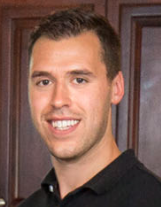
Dr. Garrett Desrosiers PT, DPT
Garrett is the CEO and Co-Owner of ProResults Physical Therapy Inc. in San Marcos, CA (North San Diego County). Garrett has been helping on-the-go active adults and athletes across the south western United States return to a pain-free active lifestyle without medications, injections, surgery or making unnecessary trips to the physician’s office since 2015. He graduated in 2013 with his Bachelors of Science in Kinesiology then went on to receive his Doctorate of Physical Therapy from Husson University in 2015. After working for three years in multiple fast paced outpatient orthopedic physical therapy clinics, Garrett quickly realized he was not able to provide the elite quality care he knew his clients deserved. Garrett felt clients were more than just a number or diagnosis and that in order to provide the time, empathy, passion, and high-quality treatment they deserved, starting his own private practice was the only option. Garrett is committed to helping every client make the best decision in regard to their health. His unique, personalized, eclectic, multifaceted approach takes those individuals who have decreased their activities or stopped being active all together to a real solution.