
8 Common Causes of Pelvic Pain You Shouldn’t Ignore
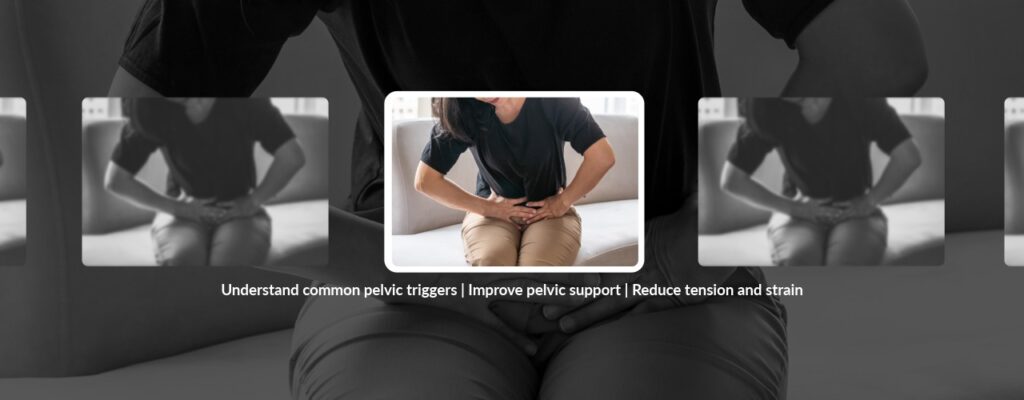
Pain in the pelvic area can show up slowly or suddenly, and it’s often accompanied by a range of difficult-to-discuss symptoms, from incontinence to pelvic prolapse. Many people will try to push through their discomfort rather than seek help. However, pelvic discomfort is not something you need to tolerate, and in many cases, it is a signal that your body needs attention and care. Understanding the most common pelvic pain causes can help you take the proper steps toward relief at ProResults Physical Therapy.
Why Does My Pelvic Area Hurt? Eight Potential Reasons
1. Musculoskeletal Strain That Disrupts Daily Movement
Muscles, joints, and ligaments in the hips and lower back can become irritated from overuse, prolonged sitting, heavy lifting, or poor posture. This type of strain often creates pelvic tension that feels achy, sharp, or stiff.
Symptoms may worsen with activity or certain positions. However, gentle movement, posture awareness, and guided treatment can ease irritation. Early support can prevent symptoms from becoming long-term.
2. Hip or Lower Back Dysfunction That Mimics Pelvic Problems
Hip joint issues, lumbar spine irritation, or sacroiliac joint dysfunction can all refer pain into the pelvic region. Pain may occur with walking, bending, or weight-bearing activities.
This is one of the pelvic pain causes that often surprises people because the discomfort is felt far from its source. Identifying the true cause is essential for finding effective relief; our physical therapists can perform a comprehensive assessment to help determine the origin of the problem.
3. Pelvic Floor Tension That Creates Deep Pressure
When pelvic floor muscles become overly tight, stressed, or uncoordinated, they can produce symptoms such as persistent pain, heaviness, pressure, or difficulty relaxing the area. Stress, high-impact activity, or holding tension can worsen these symptoms. Pelvic floor physical therapy at ProResults Physical Therapy can help restore proper muscle balance and function.
4. Core and Abdominal Imbalances That Pull on the Pelvis
Weakness, tightness, or imbalance in the abdominal wall can change the way the pelvis moves and functions. These imbalanced muscle patterns can strain surrounding structures. Pain may be vague or sharp, depending on activity.
This is another cause of pelvic pain that often overlaps with low back discomfort. A focused plan supports healthy movement and stability.
5. Reproductive System Conditions That Affect Both Men and Women
Conditions such as endometriosis, ovarian cysts, prostatitis, or testicular dysfunction can all create pelvic pain. These issues may produce pain during daily activity or at rest.
Early evaluation can rule out more serious concerns, and a coordinated care plan supports comfort and function.
6. Digestive System Irritation That Radiates to the Pelvis
Constipation, irritable bowel syndrome, or general digestive inflammation can cause pelvic discomfort. Because the digestive tract sits close to pelvic structures, irritation can radiate quickly.
Pain may worsen after meals or periods of inactivity, and you may also notice bloating or changes in bowel habits. Addressing patterns and triggers offers meaningful relief.
7. Urinary Tract Conditions That Cause Sharp or Achy Pain
Urinary tract infections, bladder irritation, or pelvic floor issues related to urination can produce pain near the lower abdomen and pelvis. Symptoms may include a feeling of urgency or discomfort during urination. This can affect anyone, not only women.
Persistent issues should be evaluated promptly, as early treatment helps protect long-term urinary health.
8. Nerve Irritation That Sends Pain Into the Pelvis
Nerves in the low back, hips, or pelvis can become compressed or irritated, resulting in symptoms that feel sharp, burning, or tingling. In some cases, these symptoms can spread to the legs or lower back. You might also notice them changing with posture or movement.
This type of problem often follows prolonged sitting or repetitive activity. Targeted care helps reduce sensitivity and improve comfort.
When Pelvic Pain Becomes a Pattern, It Deserves Attention
If you recognize any of these concerns or feel unsure about your symptoms, support is available. Pelvic pain is common, but it should not be ignored or dismissed. A thoughtful evaluation can uncover the pelvic pain causes affecting you and help you return to the active life you enjoy.
For clarity, confidence, and a personalized plan, contact ProResults Physical Therapy for guidance.