
What Nerve Pain in the Lower Back Really Feels Like
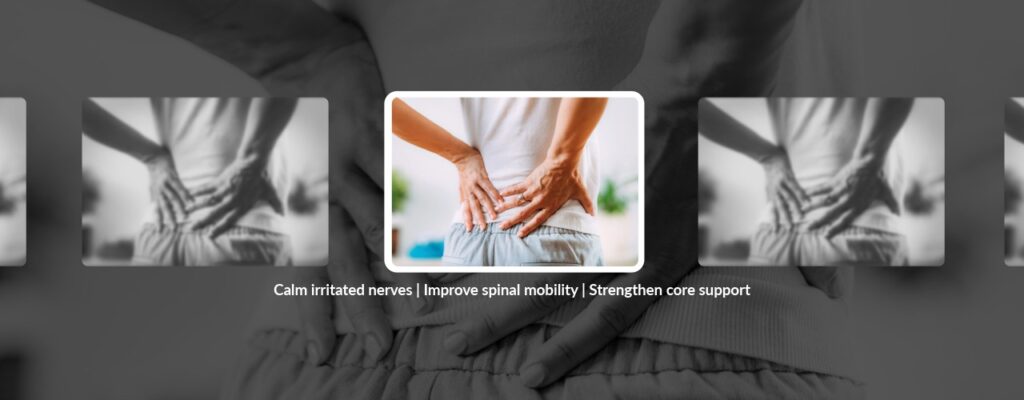
Many adults describe nerve pain as one of the most disruptive forms of discomfort they have ever felt. The symptoms often appear suddenly or develop slowly, but they make daily tasks harder, workouts uncomfortable, and long sitting nearly impossible. Understanding nerve pain in the lower back helps people recognize symptoms early and seek care before the irritation becomes chronic. Physical therapy offers evidence-based strategies that help calm irritated nerves and restore confident movement.
Answering Your Questions About Lower Back Nerve Pain
What Makes Nerve Pain Different From Regular Back Pain?
Nerve pain feels distinct because it follows the path of the irritated nerve. Many adults describe sharp, shooting, burning, or electric sensations. The discomfort may travel into the hip, thigh, or leg because nerves branch into these areas. This pattern helps explain why nerve pain in the lower back feels unpredictable and hard to ignore.
Why Does the Pain Spread Into the Leg or Hip?
When a nerve becomes irritated, the signal travels along the entire length of the nerve. This means the pain does not stay in one place. People often feel discomfort while walking, bending, or standing from a chair. Physical therapy evaluates which movements irritate the nerve and teaches ways to reduce the pressure that causes radiating pain.
How Do I Know If My Symptoms Are Nerve Pain?
Common signs include:
- Burning or tingling sensations
- Shooting discomfort during sudden movement
- Numbness in part of the leg
- Weakness during lifting or stepping
- Pain that increases with long sitting
These symptoms are typical in adults experiencing nerve pain in the lower back and often reflect the sensitivity of the irritated nerve.
What Causes Nerves in the Lower Back to Become Irritated?
Several issues can aggravate a nerve:
- Disc irritation
- Tight muscles around the spine
- Inflammation after an injury
- Prolonged sitting with poor support
- Weak core or hip muscles that overload the spine
Physical therapy identifies which of these factors contribute to your discomfort and provides targeted exercises to reduce tension and improve movement.
Why Does Nerve Pain Feel Worse at Certain Times of Day?
Morning stiffness, long workdays, or extended sitting can increase nerve irritation. The nerve becomes more reactive when posture breaks down or when muscles fatigue. This explains why lower-back-related nerve pain often flares after long driving sessions or at the end of a busy day.
Can Nerve Pain Improve Without Surgery?
Yes. Many adults improve significantly with physical therapy. Therapists use strategies that reduce pressure on the irritated nerve, improve core strength, and restore hip mobility. These improvements help create more space for the nerve to glide comfortably. Surgery is not always necessary unless severe weakness or structural issues are involved.
How Does Physical Therapy Reduce Nerve Pain?
Therapists target the root causes of the irritation, not just the symptoms. Treatment often includes:
- Gentle mobility drills that reduce stiffness
- Strengthening exercises for the core and hips
- Posture strategies that reduce spinal pressure
- Manual therapy to calm tight tissues
- Movement training to prevent future irritation
This combination helps adults manage nerve pain in the lower back and return to daily activities with more confidence.
Why Does Strength Matter So Much With Nerve Pain?
Weak muscles force the spine to handle more load than it can tolerate. This overload increases nerve sensitivity. When the core, hips, and glutes get stronger, they share the workload and protect the irritated area. This shift helps reduce flare-ups and improve overall comfort.
Is Nerve Pain a Sign of Permanent Damage?
No. Most cases involve irritation or compression, not permanent injury. With the right care, the nerve calms down, and movement becomes easier. Early physical therapy helps prevent long-term issues and supports healthier movement patterns.
Why Does Nerve Pain Make Certain Movements Feel Unsafe?
Nerves respond to both pressure and stretch. When the nerve becomes irritated, motions such as bending forward or lifting the leg may feel sharp or uncomfortable. Therapists teach safe alternatives that allow movement without aggravating the nerve. These strategies support progress and reduce fear of movement.
What Should I Do If My Nerve Pain Returns During Activity?
Recurring discomfort often means the nerve is still sensitive. Physical therapy helps you understand how to modify activity, improve mechanics, and restore strength. Consistent practice of your home exercises supports long-term relief and helps you manage nerve pain in the lower back more effectively.
How ProResults Physical Therapy Supports Long-Term Relief From Nerve Pain
At ProResults Physical Therapy, physical therapists evaluate strength, mobility, and movement patterns to identify the root cause of nerve pain in the lower back. Personalized treatment focuses on reducing irritation, improving strength, and restoring comfort during daily and athletic activities. If nerve pain limits your ability to move, work, or stay active, contact ProResults Physical Therapy today to begin a supportive and effective recovery plan.