
Why Physical Therapy Is Essential After Sports Injuries
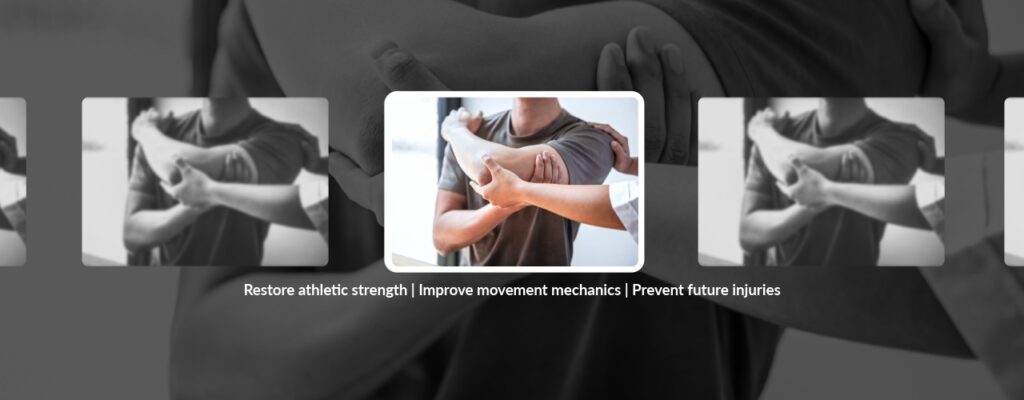
Sports injuries limit strength, speed, and confidence, often appearing when athletes push their bodies beyond their usual limits. While rest may temporarily reduce symptoms, it rarely addresses the underlying problem. Understanding physical therapy for sports injuries helps athletes and active adults see why guided rehab is essential for full recovery and long-term performance.
FAQ: Why Physical Therapy Plays a Central Role in Sports Injury Recovery
Why Can’t Rest Alone Fix a Sports Injury?
Rest helps decrease early swelling and sensitivity, but it does not restore strength, mobility, or coordination. When athletes return to activity without rebuilding these elements, the injury often returns. Physical therapy targets the root cause of the problem instead of waiting for pain to fade.
Why Does an Injury Change How I Move?
When tissue becomes irritated or damaged, the body adapts by shifting weight, tightening muscles, or altering mechanics. These compensations feel helpful at first, but increase strain on other joints. A major goal of physical therapy for sports injuries is to correct these patterns before they create new problems.
How Does Physical Therapy Improve Mobility After an Injury?
Injuries create stiffness in the surrounding tissues. When muscles, joints, or fascia lose flexibility, movement feels restricted. Physical therapists use joint mobilization, stretching, and targeted mobility drills to restore natural glide. Improved mobility reduces strain and supports smoother athletic performance.
Why Does Strength Drop So Quickly After an Injury?
The body protects the injured area by reducing muscle activation. Even a short period of rest decreases strength in key stabilizing muscles. Physical therapy utilizes progressive strengthening that aligns with the healing process and prepares the body for more demanding training.
Why Do Some Movements Still Hurt Even When the Injury Seems “Healed”?
Lingering pain often comes from unresolved mechanics rather than damaged tissue. When athletes return to activity too soon, they may continue moving with altered posture or technique. Physical therapists identify these patterns and retrain the body to move efficiently. This reduces irritation and supports long-term improvement with physical therapy for sports injuries.
Why Does Balance Matter for Athletes Recovering From Injury?
Balance keeps the body stable during cutting, jumping, running, or lifting. Injuries decrease the body’s ability to react quickly to changes in position. Physical therapy includes balance training to rebuild stability and help athletes return to powerful, controlled movement.
What Signs Tell Me I Need Physical Therapy Instead of Rest?
Many athletes notice:
- Pain that returns during activity
- Stiffness that limits speed or performance
- Weakness in one side of the body
- Difficulty trusting the injured limb
- Swelling that appears after workouts
These signs often show that physical therapy for sports injuries is necessary to prevent long-term setbacks.
How Does Physical Therapy Reduce Reinjury Risk?
Physical therapists evaluate how the entire body moves, not just the injured area. They look at foot mechanics, hip stability, core strength, and endurance. Improving these components ensures the athlete can handle higher-level demands without stressing the injury site. This whole-body approach is essential for reinjury prevention.
Why Is Sport-Specific Training Important During Rehab?
Running, lifting, throwing, and cutting all place unique demands on the body. Athletes need to practice these motions safely before returning to full intensity. Physical therapists introduce drills that mimic real sport activities. This step prepares the athlete physically and mentally for competition.
How Does Physical Therapy Support Faster Recovery?
Therapists use targeted exercises and manual techniques that improve circulation, reduce stiffness, and promote healing. Active rehabilitation helps tissue remodel in the right direction, reducing downtime and improving recovery quality. This is why so many athletes choose physical therapy for sports injuries early in the healing process.
Can Physical Therapy Improve My Performance After an Injury?
Yes. Many athletes discover mobility restrictions, strength deficits, or control issues they never noticed before the injury. Correcting these weak links improves speed, power, and movement efficiency. Rehab becomes an opportunity to return stronger and more balanced than before.
How ProResults Physical Therapy Helps Athletes Overcome Sports Injuries
At ProResults Physical Therapy, physical therapists help athletes understand the mechanics behind their injuries and build personalized plans that restore mobility, strength, and performance. Whether the goal is returning to a sport, improving strength, or preventing future setbacks, physical therapy for sports injuries plays a central role in recovery success.