
What Degenerative Disc Disease Means for Back Pain
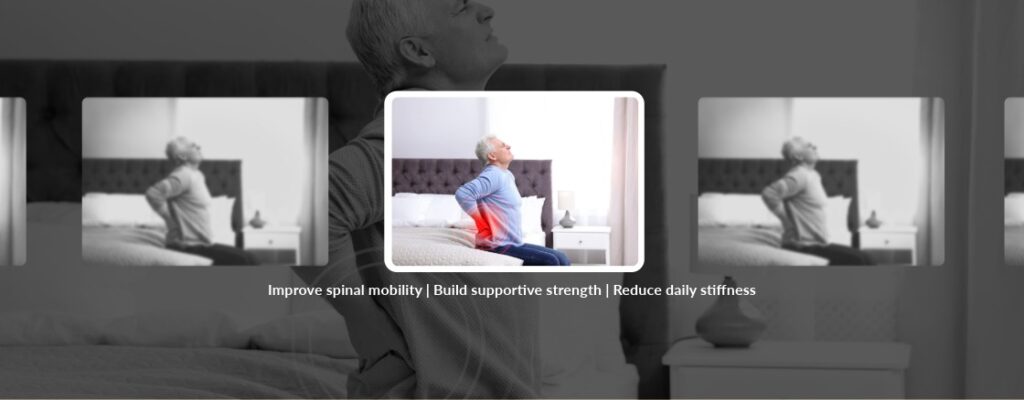
Hearing the term “degenerative disc disease” can feel scary. In simple terms, it means the cushions between your vertebrae have changed with age and load. These changes are common. They do not always cause pain. This guide explains what discs do, why images and symptoms can differ, and what helps you feel and move better. If you want a plain explanation of back pain and degenerative disc disease, you are in the right place.
A Deeper Dive into Degenerative Disc Disease
Spinal Discs Explained
Discs sit between the bones of your spine. They act like shock absorbers. They help the back bend and twist. With time, discs dry out and get shorter. This is a normal change. It can show up on scans even in people without pain. What matters most is how you feel and what you can do, not just what a picture shows.
Symptoms and Patterns You Might Notice
People with back pain often feel stiff after sitting. Bending can feel achy at first, then better after a short walk. Long days on your feet can make your back tired. These patterns appear in many back pain and degenerative disc disease cases, but they also show up in people with no scans at all. That is why a focused exam and your goals guide the plan more than a report alone.
Why Imaging and Symptoms Do Not Always Match
Imaging is a tool, not a verdict. Many adults experience disc changes without experiencing pain. Pictures can look serious even when daily life looks good. On the other hand, mild images can come with real symptoms. Your provider uses your story, your exam, and your goals to set the next steps.
Care That Supports Function and Comfort
Early movement and progressive loading help tissues adapt. Stretching restores mobility. Strength work builds capacity, so daily tasks feel easier. Your plan may include short walks, light hip and trunk drills, and posture options for desk and car time. Avoid prolonged rest because it causes stiffness and atrophy. These truths help many people with back pain and degenerative disc disease feel more in control.
How a Visit to ProResults Physical Therapy Works
At ProResults Physical Therapy, your first visit for back pain and degenerative disc disease includes a clear history, movement tests, and shared goals. Your therapist shows positions of comfort and simple drills you can do at home. As you improve, the plan adds small, steady challenges. The team reviews progress with you and adjusts the plan as needed. This keeps your care safe and efficient for back pain and degenerative disc disease concerns.
Daily Habits That Lower Flare-Ups
- Change positions every 30 to 45 minutes
- Keep loads close to your body when you lift
- Use a hip hinge for floor tasks instead of rounding the spine
- Walk most days at easy effort and add time as you improve
- Warm up with gentle range-of-motion exercises before hard chores
- Ask ProResults Physical Therapy for desk and sleep setup tips
Small steps stack up across a week. They help you feel steadier while you rebuild strength.
What Does Back Pain and Degenerative Disc Disease Mean for Your Future?
Disc changes do not block progress. With training, many people lift, walk, and work with less pain. The goal is not a perfect scan. The goal is better function in the tasks you care about most.
Ready to Feel More in Control? Contact ProResults Physical Therapy
If back symptoms limit work, chores, or sleep, reach out to ProResults Physical Therapy. One of our therapists at ProResults Physical Therapy will listen, check your movement, and build a plan that fits your life. We do not make promises about results, but we do provide clear steps, helpful treatment, and steady support.